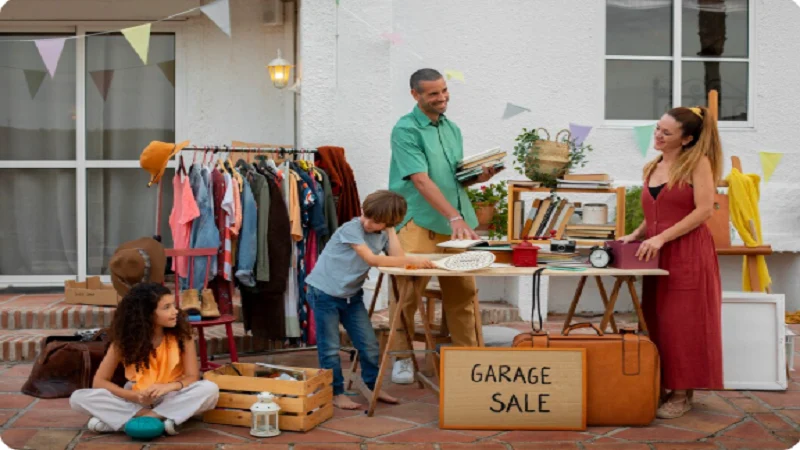
Planning an event can be exciting, but it can also become expensive when every detail seems to require another payment. From venue costs and food to decorations, entertainment, invitations, and transportation, small expenses can quickly turn into a large bill. The good news is that creating a memorable event does not always require a huge budget. With careful planning, creativity, and smart spending decisions, it is possible to organize a successful celebration while keeping costs under control.
Thriftyevents.net/ focuses on the idea that affordable event planning can still be creative, attractive, and enjoyable. Its public-facing content covers areas such as event planning, budgeting tips, and DIY ideas, making the concept useful for people who want to reduce unnecessary spending while organizing different types of gatherings.
What Makes an Event Budget-Friendly?
A budget-friendly event is not simply an event where everything is purchased at the lowest possible price. Instead, it is an event where money is spent carefully on the things that matter most.
For example, guests may remember good food, comfortable seating, enjoyable entertainment, and a welcoming atmosphere more than expensive decorations. Understanding this difference can help an organizer decide where to spend and where to save.
The first step is to establish a maximum budget before making bookings or purchases. Once the budget is clear, divide it into major categories such as:
- Venue
- Food and drinks
- Decorations
- Entertainment
- Invitations
- Photography
- Transportation
- Emergency expenses
This simple structure makes it easier to identify unnecessary costs.
Start With the Guest List
The number of guests has a major effect on the total cost of an event. More guests generally mean more food, drinks, seating, invitations, and space.
Instead of choosing a venue and then deciding how many people to invite, consider starting with the guest list. Make a list of essential guests first and then determine whether the budget allows for additional invitations.
A smaller gathering can also create a more comfortable atmosphere. For birthdays, family celebrations, dinner parties, and informal gatherings, inviting fewer people may allow the host to spend more on the quality of the experience.
Choose the Venue Carefully
The venue is often one of the biggest expenses in event planning. A traditional event hall may look attractive, but it is not always necessary.
Depending on the type of event, affordable alternatives can include community halls, outdoor spaces, private gardens, restaurants with event areas, or even a suitable home.
When comparing venues, do not look only at the advertised rental price. Check what is included. A cheaper venue may become expensive if you need to pay separately for tables, chairs, lighting, cleaning, parking, or equipment.
A useful approach is to compare the total cost rather than the basic rental fee. This makes it easier to identify the option that actually provides the best value.
Save Money With Simple Decorations
Decorations can transform a space, but they do not need to consume a large part of the budget. Simple ideas can often create an attractive environment without requiring professional decoration services.
DIY decorations are particularly useful for birthdays, baby showers, small weddings, seasonal parties, and family celebrations. Paper decorations, handmade signs, simple centerpieces, candles, fabric, balloons, and reusable decorative items can all contribute to the atmosphere.
Another useful strategy is to select one main theme or color combination instead of buying many unrelated decorations. A consistent design can make inexpensive items look more organized and intentional.
The DIY approach is also discussed as an important part of affordable event planning, particularly for decorations and creative projects.
Plan the Food Without Overspending
Food is another major part of an event budget. A large menu does not necessarily create a better experience.
Instead of offering too many dishes, choose a smaller selection of foods that suit the event and the guests. For informal gatherings, buffet-style meals or shared dishes can sometimes be more practical than a formal plated dinner.
When possible, purchase ingredients in suitable quantities and avoid ordering significantly more food than necessary. If the event is small, homemade food can also reduce costs, provided the host has enough time for preparation.
For larger thriftyevents.net/, comparing different catering options is important. Ask for complete pricing, including delivery, staff, service fees, equipment, and taxes where applicable.
Compare Vendors Before Making a Decision
Choosing the first vendor you find can make event planning more expensive. Whether you need catering, photography, entertainment, furniture, lighting, or another service, comparing several options can help you understand the market.
Do not compare prices alone. Consider:
- What is included?
- Is delivery included?
- Are there additional fees?
- How much experience does the provider have?
- What are the cancellation terms?
- Is a deposit required?
- Are there reviews or references?
A slightly more expensive provider may offer better value if the package includes services that another provider charges separately.
Use DIY Ideas Wisely
DIY can be a great way to reduce expenses, but it is important to consider time as well as money.
Making your own invitations may save money if you already have the necessary tools. Creating elaborate decorations from scratch, however, might take several hours and create unnecessary stress.
A practical rule is to use DIY for tasks that are enjoyable, manageable, and genuinely cheaper. Outsource tasks that require specialist equipment, technical skills, or significant amounts of time.
The goal is not to do everything yourself. The goal is to spend your resources intelligently.
Keep an Emergency Budget
Even a carefully planned event can have unexpected expenses. Something may break, additional guests may arrive, transportation may cost more than expected, or you may discover that an important item was forgotten.
For this reason, avoid spending the entire budget before the event begins. Keep a small amount reserved for unexpected costs.
An emergency fund can provide peace of mind and prevent a minor problem from turning into a major financial issue.
Make the Experience More Important Than the Price Tag
An affordable event should not feel cheap. The difference comes from where you put your attention.
Guests usually appreciate thoughtful details such as a warm welcome, good organization, comfortable seating, suitable music, and opportunities to interact. These elements can often be created without spending a lot of money.
Personal touches can also make an event more memorable. A handwritten note, customized playlist, family photographs, homemade favors, or a simple activity can create a stronger impression than expensive products.
This is the central principle behind budget-conscious event planning: focus on the experience rather than unnecessary spending.
Plan According to the Type of Event
Different thriftyevents.net/ require different strategies. A birthday party may benefit from inexpensive decorations and homemade food, while a corporate gathering may require greater attention to professional presentation and technology.
For weddings, the largest savings may come from venue selection, guest numbers, catering, flowers, and photography. For community thriftyevents.net/, partnerships, shared resources, and volunteer support may help reduce expenses.
The important thing is to identify the elements that are essential for your particular event and prioritize them.
Review Every Expense
Once planning begins, keep a record of every payment. A simple spreadsheet or notebook can be enough.
Divide expenses into categories and record both expected and actual costs. This makes it easier to notice when one category is becoming too expensive.
For example, if decorations have already exceeded the planned amount, you can reduce spending elsewhere before the event rather than discovering the problem afterward.
Budget tracking also makes future event planning easier because you will have a clearer idea of what different services and supplies actually cost.
Avoid Common Budgeting Mistakes
Several mistakes can make an affordable event unnecessarily expensive.
One common mistake is booking services too quickly without comparing alternatives. Another is focusing on appearance while ignoring hidden fees. Buying too many decorations and failing to plan for unexpected costs are also common problems.
It is equally important to check current prices and conditions before relying on older event-planning information. Prices, availability, vendors, policies, and services can change over time.
Before making a significant payment, confirm the final price, cancellation policy, deposit requirements, delivery arrangements, and other important terms.
Final Thoughts
Thriftyevents.net/represents a practical approach to event planning that places emphasis on budgeting, creativity, and thoughtful preparation. The underlying idea is simple: an enjoyable event does not have to be an expensive event.
By setting a realistic budget, controlling the guest list, comparing venues and vendors, using DIY ideas selectively, planning food carefully, and keeping money aside for unexpected expenses, organizers can create celebrations that feel special without creating unnecessary financial pressure.
The most successful budget events are not necessarily the ones that spend the least. They are the ones that use available resources wisely. When planning decisions are based on value, organization, and the experience of the guests, even a modest budget can produce a memorable occasion. See More: